Gluco6 Guide

Gluco6 ingredients: all six actives, evidence checked

Six named ingredients inside a 450 mg serving. Here is what each one is, what the published research genuinely supports, where the claims outrun the data, and which of them you must clear with your doctor first.

Gluco6 contains six named actives inside a 450 mg serving. Below, each one gets the same treatment: what it is, why it is in the formula, what the published research actually supports, what it does not support, and any safety consideration worth raising with your doctor.

Read this first: the dose disclosure problem

Gluco6 publishes a 450 mg total serving size but not a full milligram breakdown per ingredient. That is standard practice in this industry and it is legal — but it means the research summarised below describes the ingredients, not verified doses inside this capsule. Ingredient evidence is a reason to consider a product. It is not proof the finished product performs. Keep that distinction in mind for every section that follows.

Full breakdown

The six actives, one at a time

Ordered as the manufacturer presents them, starting with the ingredient the formula is built around.

Sukre

Proprietary rare-sugar ingredient
The rare sugar at the centre of the formula

Sukre is the ingredient Gluco6 is built around, and it is the one that makes the product different from the rest of the shelf. It is described as a naturally derived sweet compound that delivers the taste of sugar without behaving like sugar metabolically.

The rationale is a load-reduction argument rather than a stimulation argument. Conventional blood sugar supplements try to push metabolism harder. Sukre's proposed role is the opposite: reduce the repeated glucose burden that GLUT-4 receptors are being asked to clear, so the transport system is not operating under constant demand.

What the evidence supports: rare sugars as a class — compounds that are structurally similar to common sugars but metabolised differently — are a real and actively researched area of food science, and several have been studied for a minimal effect on post-meal glucose response compared with sucrose.

What it does not: Sukre is a proprietary trade ingredient. Its exact composition and the dose inside Gluco6 are not published, and we could not locate an independent trial of this specific ingredient in this specific formula. Treat the mechanism as plausible and the product-level effect as unverified.
TeaCrine

Theacrine-based energy compound
Energy and focus without the crash

TeaCrine is a branded ingredient based on theacrine, a compound structurally related to caffeine but with a meaningfully different profile. It is included in Gluco6 to address the symptom rather than the mechanism — the fatigue and mental fog that sent most buyers looking for a blood sugar product in the first place.

What the evidence supports: theacrine has a genuine research base for energy, focus, motivation and mental clarity endpoints. Critically, the published work suggests it does not produce the same rapid tolerance build-up as caffeine, meaning the effect does not require escalating doses over weeks, and it is not typically associated with the sharp crash that follows a large caffeine dose.

What it does not: theacrine is not a blood sugar ingredient. It does nothing for glucose metabolism. Its presence improves how the product feels day to day, which is not the same as improving what it does metabolically — and it is worth being clear-eyed that "I feel more energetic" can come entirely from this ingredient while nothing else has changed.

Note: if you are sensitive to stimulants or take medication affecting the central nervous system, mention this ingredient specifically to your doctor.

Gymnema Sylvestre

Ayurvedic botanical, leaf extract
The 'sugar destroyer'

Gymnema Sylvestre is a woody climbing shrub native to India and parts of Africa and Australia, used in Ayurvedic practice for well over a thousand years in the context of sugar handling. Its Hindi name, gurmar, translates roughly as "sugar destroyer" — and unusually for a traditional name, it describes something you can verify yourself in about ten seconds.

The taste effect: gymnemic acids bind temporarily to the sweet-taste receptors on the tongue. While they are bound, sugar tastes like nothing — texture without sweetness. The effect lasts under an hour and is entirely reversible. It is the reason Gymnema is genuinely useful for the behavioural half of blood sugar management: it is much easier to skip dessert when dessert is not rewarding.

What the evidence supports: Gymnema has a real published literature around insulin activity, glucose metabolism and reduced sugar absorption after meals. Several small human trials have reported favourable effects on glucose parameters.

What it does not: the trials are generally small, methodologically variable, and often conducted with extracts standardised differently from one another. The consensus in the literature is "promising, needs larger and better-controlled studies" — not "established".

Safety note: this is the ingredient most likely to interact with prescribed glucose-lowering therapy. If you are on medication, this alone is reason to clear the product with your prescriber.

Chromium

Essential trace mineral
The insulin cofactor

Chromium is the least glamorous ingredient in the formula and arguably the best-supported one. It is an essential trace mineral, meaning your body requires it and cannot manufacture it, and its role in carbohydrate metabolism is established enough that health authorities publish recommended intake values for it.

What the evidence supports: chromium participates in insulin signalling and supports the transfer of glucose from the bloodstream into cells — which is precisely the step Gluco6 is positioned around. Deficiency is associated with impaired glucose tolerance, and supplementation in deficient individuals reliably improves it.

What it does not: here is the nuance most sales pages omit. The strongest results come from people who were low in chromium to begin with. In people with adequate status, added chromium produces much less consistent benefit. Meta-analyses of chromium supplementation for glucose control have returned genuinely mixed results. It is not a lever that responds to more pressure.

Practical implication: chromium is a sensible inclusion at a sensible dose and there is no benefit to megadosing it. If you eat a varied diet you may already be replete, in which case this ingredient is insurance rather than intervention.

Cinnamon

Bark extract, polyphenol source
The most-studied spice in the category

Cinnamon is the ingredient most people have already heard of in this context, and for once the popular reputation is not baseless. Cinnamon polyphenols — particularly the type-A procyanidins — have been investigated for their contribution to insulin sensitivity and healthy post-meal glucose response across a substantial number of human trials.

What the evidence supports: multiple randomised trials and several meta-analyses have examined cinnamon for glucose parameters. Some show a meaningful effect on fasting glucose; others show little. The overall picture is a modest, real, but inconsistent effect — which is more than most botanicals in this category can claim.

What it does not: the inconsistency is not trivial. Results vary with cinnamon species, extract type, dose and the baseline status of the participants, and much of the published work is of moderate quality.

A safety point worth knowing: common cassia cinnamon contains coumarin, which is hepatotoxic in sufficient quantity over time. Ceylon cinnamon contains far less. Gluco6 does not publicly specify which species or extract standardisation it uses, and we would like to see that disclosed. At the modest doses typical of a multi-ingredient capsule this is unlikely to matter, but if you are also consuming large amounts of cinnamon separately, it is a reason not to double up casually.

Green Tea Extract

Camellia sinensis, standardised for EGCG
Antioxidant and metabolic support

Green tea is one of the two botanicals printed directly on the Gluco6 front label, alongside raspberry extract. Its extract is standardised for catechins, principally epigallocatechin gallate (EGCG).

What the evidence supports: green tea catechins have one of the largest research bases of any plant compound in the supplement world, covering antioxidant activity, metabolic support and thermogenesis. Regular green tea consumption is consistently associated with favourable metabolic markers in population studies.

What it does not: observational associations with tea drinking do not transfer cleanly to concentrated extract capsules. Effects on metabolic rate in trials are typically real but small, and often depend on caffeine being present alongside the catechins.

Safety note: concentrated green tea extract has been associated with rare cases of liver injury, almost always at high doses and often when taken fasted. Regulators in several countries have issued guidance on upper intakes. The amount in a multi-ingredient 450 mg serving is very unlikely to approach those levels, but this is another reason to take Gluco6 with food and not to stack it with a separate high-dose EGCG product.

What about the raspberry extract on the label?

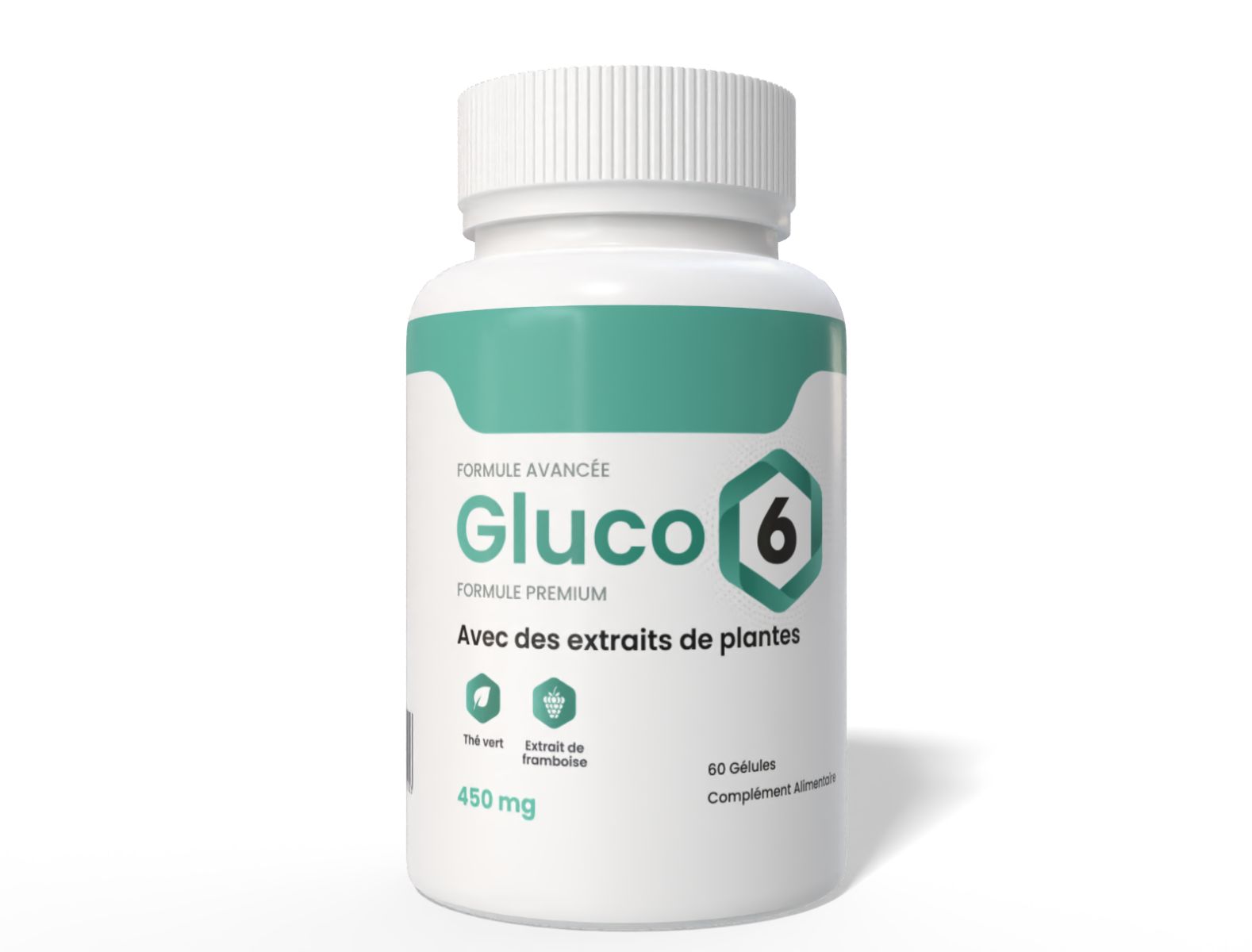
The bottle's front panel highlights two botanicals with icons: green tea and raspberry extract. Raspberry is not among the six ingredients the marketing leads with, which is a small inconsistency worth noting. Raspberry fruit and leaf extracts are common sources of polyphenols and ellagitannins with antioxidant activity, and raspberry ketone appears in a range of metabolic formulas — though the evidence for raspberry ketone specifically in humans is weak and should not be a reason to buy anything.

If the precise botanical content matters to you, request the current full label from the manufacturer before ordering rather than relying on any third-party summary, including ours. Labels change between production runs.

Manufacturing and quality standards

Gluco6 states that production takes place in a US facility registered with the FDA and operating under GMP (Good Manufacturing Practice) standards. Two clarifications, because these phrases are the most over-interpreted in the entire supplement industry:

  • FDA-registered is not FDA-approved. The FDA does not approve supplements before they go on sale. Registration means the facility is listed and subject to inspection — a meaningful floor, not an endorsement of the product.
  • GMP addresses process, not efficacy. It governs identity, purity, strength and composition — that what the label says is what is in the bottle, at the stated amount, without contamination. It says nothing about whether the contents produce the marketed effect.

What would strengthen the picture further is publicly posted third-party certificates of analysis per batch, covering identity, potency and heavy-metal testing. Some supplement brands publish these; we could not find them for Gluco6. Asking support for a current COA before you order is a reasonable request and the response tells you something either way.

Interactions and safety summary

Interaction and safety considerations for Gluco6 ingredients
IngredientMain considerationDiscuss with a doctor if...
Gymnema SylvestreMay lower blood sugarYou take metformin, sulfonylureas or insulin
ChromiumInfluences insulin signallingYou take glucose-lowering medication or levothyroxine
CinnamonCoumarin content (cassia); anticoagulant interactionYou take warfarin or have liver concerns
Green Tea ExtractVitamin K; rare hepatic reactions at high doseYou take blood thinners or other EGCG products
TeaCrineStimulant-like activityYou are stimulant-sensitive or on CNS medication
SukreRare sugars can cause GI upset at high intakeYou have IBS or a sensitive digestive system

Reported side effects across this ingredient class are generally mild and digestive — nausea, loose stools or stomach discomfort, most often when taken on an empty stomach. Taking Gluco6 with your largest meal reduces the likelihood substantially. Stop and seek advice if you experience anything more than mild transient discomfort. See the full medical disclaimer.

Ingredient questions

Common questions about the formula

Does Gluco6 disclose the exact dose of each ingredient?
No. The label states a 450 mg serving size but does not publish a full quantitative breakdown of each active within it. This is legal and extremely common in the supplement industry, but it does mean nobody outside the manufacturer can confirm whether any single ingredient is present at the dose used in the research it is marketed on. We consider this the single biggest limitation of the product.
Does Gluco6 contain berberine?
No. Berberine is the most heavily researched single compound in the blood sugar category, and it is not in this formula. If berberine specifically is what you were looking for, Gluco6 is not the product. We compare berberine, chromium and Gymnema in a separate guide.
Are there stimulants in Gluco6?
TeaCrine is a theacrine-based compound with stimulant-like effects on energy and focus, though it behaves differently from caffeine and is not associated with the same tolerance build-up or crash. Green tea extract may also contribute a small amount of caffeine depending on the extract used. If you are stimulant-sensitive, take it earlier in the day and mention it to your doctor.
Is Gluco6 vegan, gluten free and non-GMO?
The manufacturer states the capsules are vegetarian and the ingredients are non-GMO. Confirm the current allergen and dietary statements on the official label before ordering if you have a strict requirement, since formulations and capsule sourcing can change between batches.
Can I get the same ingredients more cheaply as separate supplements?
For chromium, cinnamon, green tea and Gymnema — yes, generally you can, and if cost is the priority that is a legitimate route. What you cannot easily replicate is Sukre and TeaCrine, which are proprietary trade ingredients. You would also be managing four to six separate bottles and doses, which most people abandon within a couple of months.
Gluco6 blood sugar support supplement bottle with 60 capsules, ready to order from the official website

Order Gluco6 from the official website

Every package is covered by the 180-day money-back guarantee. Buying direct is the only way to make sure that refund policy applies to your order.

Backed by a 180-day money-back guarantee · Secure checkout via ClickBank

Gluco6 supplement bottle thumbnail
Gluco6 — official site180-day guarantee · Free US shipping*
Order