1
You eat
Carbohydrate in the meal is broken down into glucose, which is absorbed through the gut wall and enters the bloodstream. Blood glucose rises. This is normal and it happens to everyone.
Gluco6 is marketed on glucose transport rather than glucose reduction. That is an unusual angle in this category, and it is worth understanding properly — including where the science is solid and where it runs out.
To understand what Gluco6 is aiming at, you need one biological concept: glucose does not enter your cells by itself. It requires a door, and that door has to be opened deliberately.
Carbohydrate in the meal is broken down into glucose, which is absorbed through the gut wall and enters the bloodstream. Blood glucose rises. This is normal and it happens to everyone.
The pancreas detects the rise and releases insulin. Insulin is a signal, not a transporter — its job is to tell cells to open up, not to carry glucose itself.
Inside muscle and fat cells, GLUT-4 transporter proteins sit parked in storage vesicles. The insulin signal triggers them to move to the cell surface and embed in the membrane.
With GLUT-4 in place, glucose moves from the blood into the cell, where it is burned for energy or stored. Blood glucose falls back toward baseline and you feel level.
That fourth step — glucose actually crossing into the cell — is the one everybody skips when they talk about "blood sugar". And it is the step that determines both halves of how you feel: how much sugar is left circulating, and how much fuel your cells actually received.
Two things commonly degrade over years of high-carbohydrate intake, low activity, poor sleep and chronic stress.
The signal gets ignored. Cells that are exposed to high insulin constantly become less responsive to it — the same way you stop hearing a noise you have listened to all day. The pancreas compensates by shouting louder, releasing more insulin to get the same result. This is the well-described phenomenon of reduced insulin sensitivity.
The transporters move less readily. When the signal is being ignored, GLUT-4 translocation to the cell membrane becomes less efficient. Fewer doors open, and they open more slowly.
The lived experience of that is very recognisable: a heavy lunch, an hour of feeling fine, then a wall of fatigue at around 3pm, followed by a craving for something sweet — which restarts the entire loop. Glucose is stuck in the wrong compartment. It is in the blood, and the muscle cells that wanted it never got the delivery.
"High blood sugar" and "no energy" are not two separate problems that happen to co-occur. In this model they are the same problem described from either side of the cell membrane. That is the insight Gluco6 is marketed on, and it is a legitimate one.
Rather than pushing on one point in that chain, the formula is structured to touch several of them. The manufacturer's central claim is that Sukre takes pressure off GLUT-4 receptors — the logic being that a rare sugar which provides sweetness without behaving metabolically like sucrose reduces the repeated glucose burden those transporters are being asked to clear.
Around that sit five supporting actives with different jobs: chromium and Gymnema on the insulin-signalling side, cinnamon on post-meal glucose response, green tea on antioxidant load, and TeaCrine on the symptom that actually drove you to search for a solution — energy and focus.
| Ingredient | Primary target in the pathway | What it is trying to change |
|---|---|---|
| Sukre | Glucose load reaching the transporter | Sweetness without the equivalent metabolic burden, easing demand on GLUT-4 |
| Chromium | Insulin signalling (step 2) | Supports insulin action and the movement of sugar from blood into cells |
| Gymnema Sylvestre | Insulin activity + intake behaviour | Supports glucose metabolism; gymnemic acids temporarily blunt sweet taste |
| Cinnamon | Post-meal glucose response (step 1–2) | Polyphenols researched for insulin sensitivity and post-prandial response |
| Green Tea | Oxidative load across the system | EGCG and catechins supporting antioxidant defence and healthy metabolism |
| TeaCrine | The downstream symptom (step 4 shortfall) | Sustained energy, focus and mental clarity without stimulant crash |
Read that table as a design brief rather than as proof. It shows the formula is internally coherent — each ingredient has a defensible reason to be present and they are not all doing the same job. It does not demonstrate that the finished capsule produces those effects at the doses used. The ingredient page covers what the research on each one actually measured.
| Period | What people commonly report | What is plausible |
|---|---|---|
| Days 1–14 | Usually nothing; occasionally reduced sweet cravings | Gymnema's taste effect is fast; metabolic effects are not |
| Weeks 3–6 | Flatter afternoon energy, fewer post-meal slumps | Consistent with typical timelines in chromium and cinnamon studies |
| Weeks 8–12 | The point most reviewers describe as "settled" | The standard evaluation window in supplement research |
| Weeks 12–24 | Maintenance, or the decision to stop | If nothing has changed by now, it is not going to |
This is where a review earns its keep, so we will be direct about the three tiers of evidence involved.
Tier 1 — the biology is real. GLUT-4 translocation is textbook physiology, not marketing. Insulin resistance impairing that process is thoroughly documented. Nothing controversial here.
Tier 2 — the ingredients have research, of varying quality. Chromium's role in carbohydrate metabolism is established enough that it has a recognised dietary intake value. Gymnema and cinnamon both have real published literature, though study sizes are often modest and results inconsistent between trials. Green tea catechins are extremely well studied for antioxidant activity. TeaCrine has a smaller but genuine evidence base for energy and focus endpoints.
Tier 3 — the finished product has no published trial. As far as we can determine, there is no peer-reviewed clinical trial of Gluco6 itself, at its actual doses, against a placebo. This is normal for the category — almost no direct-to-consumer supplement has one, because such trials are expensive and not legally required. But it is the honest ceiling on what anyone can claim.
Ingredient-level evidence is a reason to consider a product, not proof that it works. Combine that uncertainty with undisclosed individual doses and the correct conclusion is: this is a reasonable bet, not a sure thing. Which is exactly why the length of the refund window matters more here than the marketing copy does.
If you decide to try it, these are the things that will make the biggest difference to whether you see anything:
For a deeper practical routine, see our guide to building a day that keeps energy level and our list of foods that support healthy blood sugar.
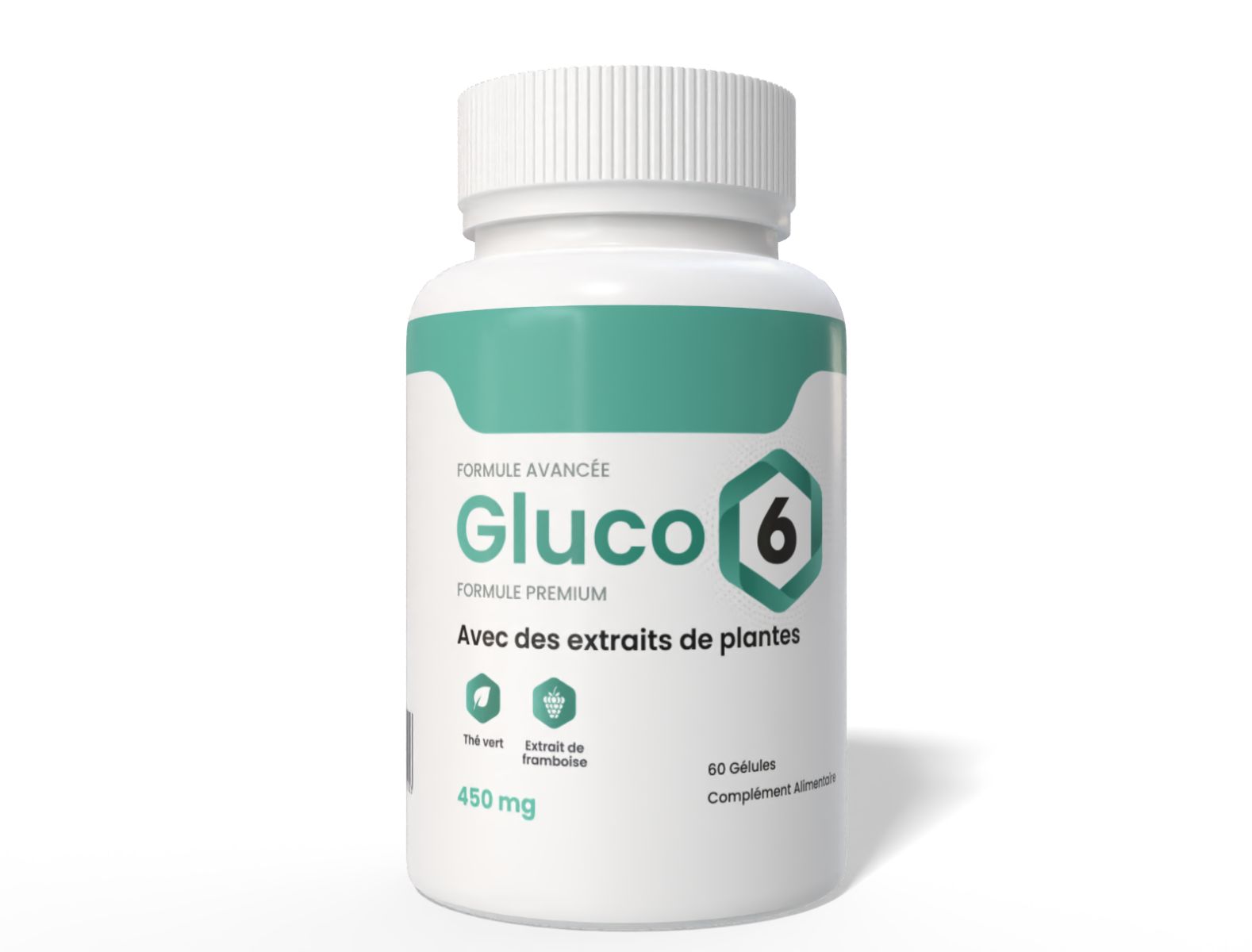
Every package is covered by the 180-day money-back guarantee. Buying direct is the only way to make sure that refund policy applies to your order.
Backed by a 180-day money-back guarantee · Secure checkout via ClickBank