Blood Sugar 101: Glucose, Insulin and Why You Crash at 3pm
The complete beginner's guide to how glucose actually moves through your body, what insulin really does, why the afternoon energy crash happens, and the free habits that change it.
What blood sugar actually is
Every carbohydrate you eat — bread, rice, fruit, the sugar in your coffee — is broken down into glucose, a simple sugar that is your body's primary and most convenient fuel. Glucose is absorbed through the gut wall into the bloodstream, and "blood sugar" is simply the concentration of it circulating at any given moment.
Here is the part worth internalising: glucose in your blood is glucose that has not been delivered yet. It is inventory in transit. It is only useful once it gets inside a cell, where mitochondria can burn it for energy. High blood glucose is not a sign of abundant energy — it is often the opposite, a sign of a delivery problem.
Your body works hard to keep circulating glucose within a fairly narrow band. Too low and the brain, which runs almost exclusively on glucose, starts failing within minutes. Too high for too long and glucose begins binding to proteins throughout the body in ways that cause cumulative damage. The whole regulatory system exists to hold that middle ground.
What insulin really does
Insulin is widely described as the hormone that "lowers blood sugar", which is true but unhelpfully vague. Insulin does not carry glucose anywhere. Insulin is a signal.
When glucose rises after a meal, beta cells in the pancreas release insulin into the bloodstream. Insulin travels to muscle, fat and liver cells and binds to receptors on their surface — effectively knocking on the door and saying "fuel has arrived, open up." What happens next is where the interesting part lives.
GLUT-4: the part nobody explains
Glucose cannot pass through a cell membrane unaided. It needs a dedicated transporter protein, and in muscle and fat tissue the relevant one is called GLUT-4.
Critically, GLUT-4 does not sit permanently on the cell surface. Most of the time it is stored inside the cell in small membrane-bound vesicles, parked and inactive. When insulin binds to its receptor, it triggers a signalling cascade that causes those vesicles to migrate to the cell membrane and fuse with it — a process called translocation. Only then does GLUT-4 reach the surface and form a channel that glucose can pass through.
The mental model that makes this click
Think of glucose as delivery vans circling a warehouse, insulin as the radio call telling staff to open the loading bays, and GLUT-4 as the loading bay doors themselves. You can have plenty of vans and plenty of radio calls, but if the doors open slowly or only a few of them open, the vans keep circling. That is elevated blood sugar and tired muscles happening simultaneously — one problem, two symptoms.
There is a second, more encouraging route. Muscle contraction also triggers GLUT-4 translocation, entirely independently of insulin. When you contract a muscle, GLUT-4 moves to the surface regardless of what insulin is doing. This is not a marginal effect and it is not speculative — it is one of the most robust findings in exercise physiology, and it is the reason a short walk after eating does something no supplement can replicate.
Why you crash at 3pm
The afternoon collapse is so common it is almost universal, and it usually has three overlapping causes.
The meal. A lunch heavy in refined carbohydrate and light on protein, fat and fibre produces a fast, large glucose rise. A large rise triggers a large insulin response. That response is somewhat blunt, and blood glucose often overshoots downward on the way back to baseline. Falling glucose feels like fatigue, poor concentration and, reliably, a craving for something sweet.
The circadian dip. Independently of food, human alertness has a natural trough in the early-to-mid afternoon. It happens even in people who skip lunch entirely. Eat a heavy meal on top of it and the two effects stack.
The sleep debt. A single night of restricted sleep measurably reduces insulin sensitivity the next day. Chronic short sleep keeps you in that state permanently, which makes every meal harder to handle.
Then the loop closes: you crave sugar, you eat something sweet, you get a fast rise and another fall, and by 5pm you are worse than you were at 3pm.
How the system degrades over time
Cells exposed to persistently high insulin gradually become less responsive to it — the biological equivalent of stopping hearing a sound you have listened to all day. The pancreas compensates by producing more insulin to achieve the same effect. For a long time this works, and blood glucose readings stay normal while insulin quietly climbs. This is why people can be well down this path with unremarkable routine test results.
As responsiveness falls, GLUT-4 translocation becomes less efficient: fewer doors open, and they open more slowly. Glucose stays in circulation longer. Cells receive less fuel. Energy becomes unreliable, cravings intensify, and the behaviours that caused the problem become harder to resist — which is the genuinely cruel part of the mechanism.
What actually helps — ranked by leverage
In rough order of how much difference each makes for the effort involved:
- Walk for ten minutes after your largest meal. Free, takes ten minutes, and acts through the insulin-independent GLUT-4 pathway. If you do one thing on this list, do this one.
- Change the composition of your meals, not just the quantity. Adding protein, fat and fibre to a carbohydrate meal slows gastric emptying and flattens the glucose curve substantially.
- Eat in a smarter order. Vegetables and protein before the starch component of the same meal produces a measurably gentler glucose response than eating the same food in reverse order.
- Sleep seven to eight hours. Not optional, and not something any supplement compensates for.
- Build muscle. Skeletal muscle is the largest glucose sink in the body. More muscle means more storage capacity and more GLUT-4 to work with.
- Manage stress. Cortisol raises blood glucose directly. Chronic stress is a metabolic input, not just a mood.
Our food guide covers the second and third points in practical detail, and the daily routine guide turns the whole list into an hour-by-hour structure.
Where supplements fit — honestly
Last, and deliberately so. Nutritional supplements in this category work at the margins of a system dominated by diet, movement and sleep. A capsule cannot out-perform a consistently poor diet, and any product marketed as though it can is misrepresenting both the biology and itself.
What a reasonable supplement can do is support specific steps in the pathway described above — insulin signalling, post-meal glucose response, antioxidant load, and in some formulations the craving loop that makes the behavioural side so difficult. That is a supporting role. It is a real one, but it is supporting.
If you are evaluating a product in this category, the useful questions are: does every ingredient have a defensible reason to be there, is there human research behind them, are the doses disclosed, and is the refund window long enough to run a fair trial? Our comparison of the three most common actives works through the evidence, and our Gluco6 overview applies those same four questions to one specific product — including where it falls short.
Quick questions
Why do I crash in the afternoon?
The most common cause is a carbohydrate-heavy lunch producing a large glucose rise, a correspondingly large insulin response, and a subsequent dip. Add a poor night's sleep and the natural circadian dip in alertness that occurs in early afternoon regardless of food, and the effect compounds.
Is a blood sugar 'spike' after eating bad?
No — a rise after eating is normal physiology and happens in everyone. What matters is the size of the rise, how quickly it returns to baseline, and how often it happens. A gentle rise that settles is healthy; repeated large swings all day are the pattern worth changing.
Does exercise lower blood sugar without insulin?
Yes. Muscle contraction triggers GLUT-4 transporters to move to the cell surface through a pathway that is independent of insulin. This is why a ten-minute walk after a meal is one of the most effective and least appreciated interventions available.
Related reading
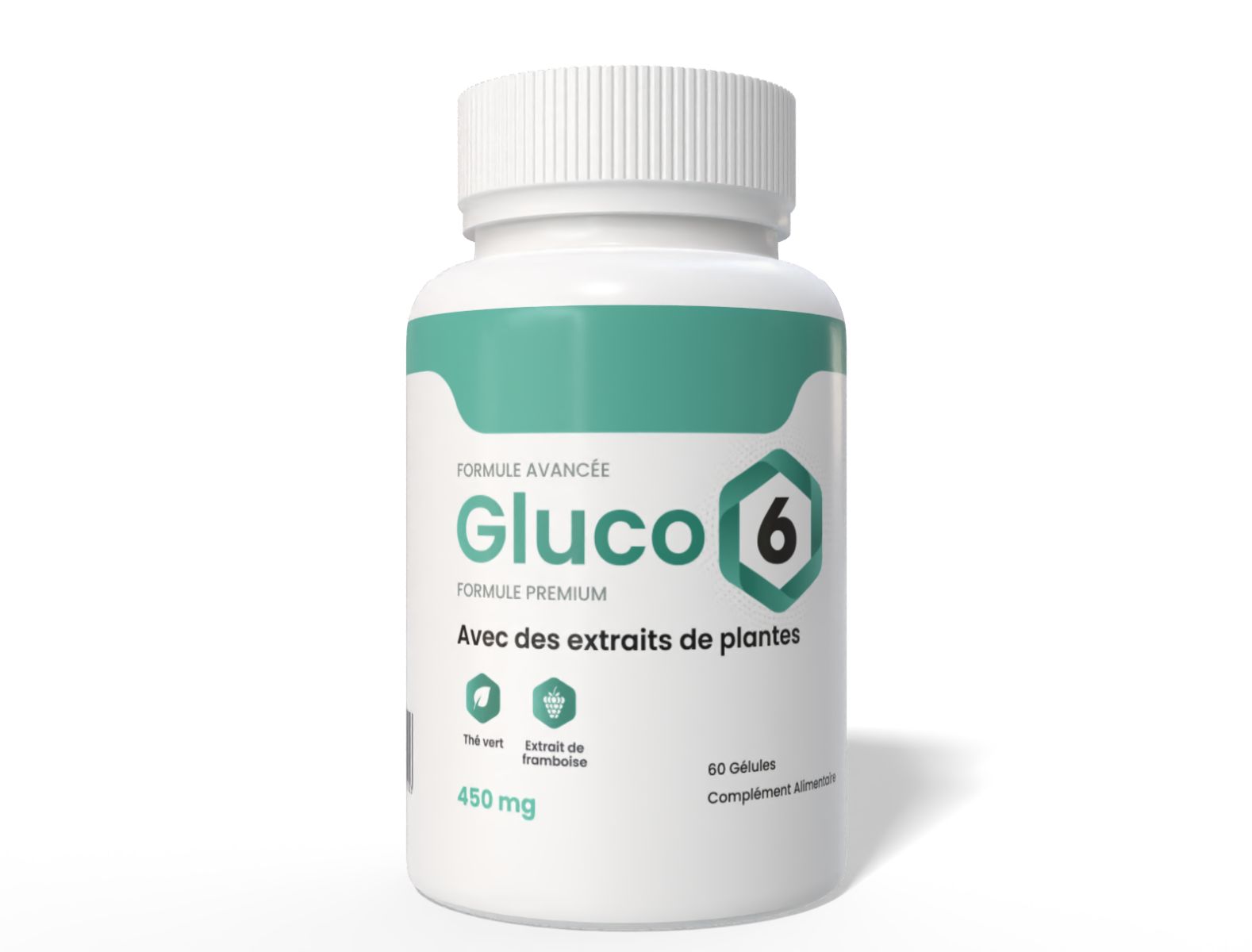
Order Gluco6 from the official website
Every package is covered by the 180-day money-back guarantee. Buying direct is the only way to make sure that refund policy applies to your order.
Backed by a 180-day money-back guarantee · Secure checkout via ClickBank