Berberine vs Chromium vs Gymnema: Which Actually Has the Evidence?
An evidence-first comparison of the three most common blood sugar supplement ingredients, what each one does mechanically, where the research is strong, and the safety issues nobody mentions.
Why these three
Walk down the blood sugar aisle, physical or digital, and the same three ingredients appear repeatedly: berberine, chromium and Gymnema Sylvestre. They are there for different reasons — one has the strongest data, one is an essential nutrient, and one has both a mechanism you can verify on your own tongue and a thousand years of traditional use.
This comparison is evidence-first. For each, we cover what it is, the mechanism, what human research supports, what it does not support, and the safety issues that marketing pages routinely omit.
Berberine
What it is: an alkaloid extracted from several plants including barberry, goldenseal and Chinese goldthread. Bright yellow, intensely bitter, and used in both traditional Chinese and Ayurvedic medicine long before anyone identified its mechanism.
Mechanism: berberine activates AMP-activated protein kinase (AMPK), often described as a cellular energy sensor. AMPK activation increases glucose uptake, and notably promotes GLUT-4 translocation to the cell membrane — through a route that does not depend on insulin signalling.
What the evidence supports: berberine has the strongest human trial data of the three by a substantial margin. Multiple randomised controlled trials and several meta-analyses have found meaningful effects on fasting glucose, post-meal glucose and HbA1c. The effect sizes reported in some trials have been large enough to attract comparisons to pharmaceutical agents, which is unusual for a plant compound.
What it does not support: berberine has poor oral bioavailability — a large fraction of an oral dose is never absorbed, which is why effective doses are relatively large and typically split across the day. Gastrointestinal side effects (cramping, diarrhoea, constipation) are common, particularly at the start.
The berberine safety issue nobody mentions
Berberine inhibits CYP3A4, a liver enzyme responsible for metabolising a very large share of prescription medications — statins, some blood pressure drugs, certain anticoagulants, immunosuppressants and many others. Inhibiting it can raise blood levels of those drugs, sometimes substantially. This is not a theoretical concern. If you take any prescription medication, berberine is a conversation with your pharmacist before it is a purchase.
Chromium
What it is: an essential trace mineral. Your body requires it, cannot synthesise it, and obtains it from food — broccoli, whole grains, meat and brewer's yeast are notable sources.
Mechanism: chromium participates in insulin signalling, supporting the transfer of glucose from the bloodstream into cells. It is a cofactor rather than an active agent — it enables a process rather than driving one.
What the evidence supports: chromium's role in carbohydrate metabolism is established enough that health authorities publish adequate intake values for it. Deficiency impairs glucose tolerance, and supplementing deficient individuals reliably improves it.
What it does not support: here is the critical nuance. The strongest results come from people who were low in chromium to begin with. In people with adequate status, supplementation produces much less consistent benefit, and meta-analyses examining chromium for glucose control have returned genuinely mixed results. It is a deficiency correction more than an intervention, and it does not respond to higher doses.
Safety: the best-tolerated of the three. Chromium picolinate at typical supplemental doses has a good safety record. It can interact with levothyroxine absorption, so separate the timing if you take thyroid medication.
Gymnema Sylvestre
What it is: a woody climbing shrub native to India, Africa and Australia, used in Ayurvedic practice for over a millennium. Its Hindi name gurmar means "sugar destroyer".
Mechanism: two distinct effects, which is unusual. Gymnemic acids bind temporarily to sweet-taste receptors on the tongue, suppressing sweet perception for up to an hour — a directly verifiable effect you can test on yourself. Separately, the herb is researched for effects on insulin activity, glucose metabolism and sugar absorption in the gut.
What the evidence supports: the taste effect is not in dispute and it has genuine practical value, because the behavioural loop is where most people lose ground. Several small human trials have reported favourable effects on glucose parameters.
What it does not support: the trials are generally small, methodologically variable, and use extracts standardised differently from one another, which makes results difficult to compare. The consensus position in the literature is "promising, needs larger and better-controlled trials".
Safety: generally well tolerated. Its main risk is additive: because it can lower blood sugar, combining it with prescribed glucose-lowering therapy without supervision risks hypoglycaemia.
Side by side
| Berberine | Chromium | Gymnema | |
|---|---|---|---|
| Type | Plant alkaloid | Essential trace mineral | Botanical extract |
| Main mechanism | AMPK activation, GLUT-4 translocation | Insulin signalling cofactor | Sweet-taste blocking + insulin activity |
| Human evidence | Strongest | Moderate, mixed | Moderate, small trials |
| Works best in | Most people | Those with low chromium status | Those fighting cravings |
| Speed | Weeks | Weeks to months | Taste effect immediate; metabolic slower |
| Main downside | GI upset, major drug interactions | Limited effect if already replete | Inconsistent study quality |
| Interaction risk | High (CYP3A4) | Low | Moderate (additive glucose lowering) |
| In Gluco6? | No | Yes | Yes |
Combining them
Commercial formulas often include two of the three, and multi-ingredient products in general rest on the reasonable idea that addressing several points in a pathway beats hammering one. Gluco6 takes that approach, pairing chromium and Gymnema with Sukre, cinnamon, green tea and TeaCrine — but notably leaving out berberine, most likely because of its dose requirements and interaction profile.
Stacking all three yourself is not something to do casually. The mechanisms overlap, the effects on glucose are additive, and the interaction risks compound. If you are on any prescription medication at all, this becomes a supervised decision rather than a personal one.
Which should you actually care about?
If you want the strongest data and take no medication: berberine, with a pharmacist consultation first. Expect divided doses and possible digestive adjustment in the first fortnight.
If your diet is narrow or restricted: chromium is a sensible, low-risk baseline. Do not expect dramatic effects if your status is already adequate, and do not megadose it.
If cravings are what defeats you: Gymnema, straightforwardly. The taste effect alone addresses the behavioural loop that undermines most people's efforts, and it works within minutes rather than weeks.
If you would rather take one capsule than manage three bottles: a well-assembled multi-ingredient formula is a legitimate compromise, provided you accept that per-ingredient doses are usually undisclosed and probably lower than single-ingredient products. Our Gluco6 ingredient analysis works through exactly that trade-off.
And the honest closing note: all three of these sit downstream of diet, movement and sleep. If those are not in place, start with the food guide instead. The returns are larger and it costs nothing.
Quick questions
Which has the strongest evidence overall?
Berberine, by a clear margin, in terms of effect size in published human trials. That said, it also has the most significant drug interaction profile of the three, which is exactly why it should not be taken casually or without medical advice.
Can I take all three together?
Not without medical supervision. All three influence glucose handling through overlapping pathways, and combining them — particularly alongside prescribed glucose-lowering medication — increases the risk of pushing blood sugar lower than intended.
Why is berberine not in most commercial formulas?
Several reasons: it requires a relatively large dose, which is difficult to fit into a multi-ingredient capsule; it has a significant interaction profile that creates liability; and it tends to require divided dosing across the day, which conflicts with the once-daily convenience most products are built around.
Related reading
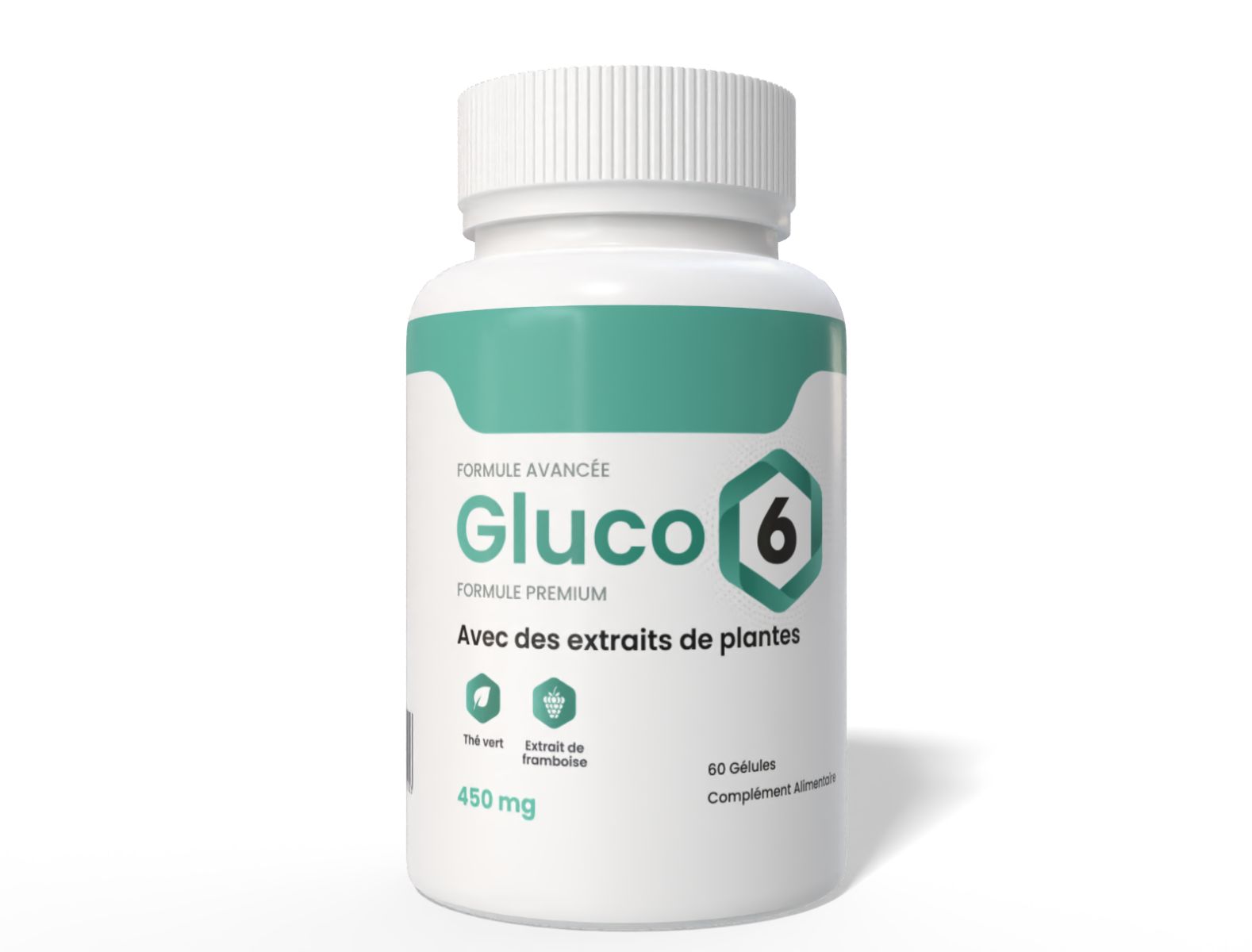
Order Gluco6 from the official website
Every package is covered by the 180-day money-back guarantee. Buying direct is the only way to make sure that refund policy applies to your order.
Backed by a 180-day money-back guarantee · Secure checkout via ClickBank