The 6-Step Daily Routine That Keeps Energy Level All Day
A realistic, hour-by-hour routine built on well-established physiology: light exposure, protein timing, the ten-minute post-meal walk, and how to stop the afternoon collapse before it starts.
Why a routine beats willpower
Most people trying to stabilise their energy approach it as a series of individual decisions: should I eat this, should I skip that, should I go for a walk. That approach fails predictably, because decision-making capacity degrades exactly when blood sugar drops — you are asked to make your best choices at the moment you are least equipped to make them.
A routine removes the decision. The six steps below are ordered by leverage: how much difference each makes relative to how hard it is to sustain. Start at the top and add downward. Nobody needs to implement all six in week one, and attempting it is the most reliable way to end up implementing none.
1. Get outside within an hour of waking
Ten to fifteen minutes of outdoor light in the morning — even under cloud, which is still far brighter than indoor lighting — anchors your circadian rhythm. That rhythm governs when you feel sleepy at night, how well you sleep, and the daily pattern of insulin sensitivity.
The connection to blood sugar is indirect but real: better-anchored circadian timing produces better sleep, and better sleep measurably improves next-day insulin sensitivity. This is an upstream fix. It is also free, requires no equipment, and pairs naturally with step three if you make it a walk.
2. Make breakfast protein-first
The standard breakfast — cereal, toast, pastry, juice — is frequently the largest single glucose load of the day, consumed at a point when you have not moved and your muscles have not created any demand for it. The result is a rise, an insulin response, a fall, and hunger again by 10:30am.
Inverting it changes the entire day. Aim for 25 to 30 grams of protein before anything else:
- Two or three eggs with spinach and avocado
- Greek yoghurt with berries, walnuts and a dusting of cinnamon
- Smoked salmon on genuine wholegrain, not white toast
- If you must have oats, make them steel-cut and add protein — not an instant sachet eaten alone
A high-protein breakfast also reduces appetite later in the day, which means the 4pm decision gets made by someone who is not starving. That second-order effect is often larger than the direct one.
3. Walk for ten minutes after your largest meal
This is the highest-return habit in the entire guide, and it is almost always the one people skip because it sounds too small to matter.
Muscle contraction triggers GLUT-4 transporters to move to the cell surface through a pathway that is completely independent of insulin. It does not need the insulin signal, and it works whether or not your cells have become less responsive to it. Ten minutes of gentle walking in the window after eating — when glucose is rising — is one of the best-evidenced, lowest-effort interventions in metabolic health.
If you take nothing else from this article
Ten minutes of walking after your largest meal. Not a workout, not a run, not a gym session. A walk. Done consistently, it acts on the exact mechanism that every blood sugar supplement on the market is trying to influence — and unlike a supplement, the evidence for it is not in question.
No time? Take the stairs twice. Do twenty bodyweight squats. Stand and move for ten minutes. The contraction is what matters, not the aesthetics.
4. Structure the afternoon before it structures you
The 2–4pm dip has three causes stacked on top of each other: the glucose fall after lunch, the natural circadian trough in alertness, and accumulated sleep debt. You cannot eliminate the second one, but you can stop making it worse.
- Plan the snack in advance. Protein and fibre — yoghurt, nuts, boiled eggs, hummus with vegetables. A decision made at 9am is a much better decision than the same one made at 3:30pm.
- Drink water first. Mild dehydration is routinely mistaken for hunger and it concentrates blood glucose.
- Move for two minutes every hour. Sustained sitting reduces glucose uptake independently of everything else.
- Keep caffeine before 2pm. Its half-life is long enough that a 4pm coffee measurably degrades that night's sleep, which degrades tomorrow's insulin sensitivity.
5. Finish eating two to three hours before bed
Insulin sensitivity follows a circadian pattern and declines through the evening. The identical meal produces a larger and longer glucose response at 10pm than it does at 1pm. Eating late also raises core body temperature and interferes with sleep onset, which compounds the effect the following day.
This does not require a rigid eating window or any particular fasting protocol. It requires finishing dinner earlier and not eating again afterwards. For most people that is a change of an hour or two, not a lifestyle overhaul.
6. Protect seven to eight hours of sleep
Sleep is last on this list because it is the hardest to change, not because it matters least. It arguably matters most. A single night of restricted sleep measurably reduces insulin sensitivity the following day. Chronic short sleep makes every other item on this list work less well.
The three highest-leverage sleep habits: a consistent wake time including weekends, a cool and genuinely dark room, and no alcohol within three hours of bed. Alcohol reliably shortens the time it takes to fall asleep and reliably destroys the quality of what follows.
Putting it together
| Time | Action | What it does |
|---|---|---|
| Within 1hr of waking | 10–15 min outdoors | Anchors circadian rhythm; improves tonight's sleep |
| Breakfast | 25–30g protein, minimal refined carbohydrate | No spike to recover from; reduced appetite later |
| Mid-morning | Water; move for 2 min each hour | Prevents sustained-sitting glucose reduction |
| Lunch | Vegetables and protein first, starch last | Flattens the post-meal curve without changing the food |
| Right after lunch | 10-minute walk | Insulin-independent GLUT-4 translocation |
| 3–4pm | Pre-planned protein snack; no caffeine after 2pm | Breaks the crash-and-crave loop |
| Dinner | Finish 2–3 hours before bed | Higher evening insulin sensitivity; better sleep onset |
| Evening | Dim lights, no alcohol within 3 hours of bed | Protects sleep quality and tomorrow's glucose handling |
Pick one. Do it for two weeks until it stops requiring thought. Then add the next. That sequence works and the all-at-once approach does not.
For the physiology underneath all of this, read Blood Sugar 101. For the food side, see the nutrition guide. And if you are considering nutritional support on top of a routine that is already working, start with the mechanism rather than the marketing.
Quick questions
Do I need to do all six steps?
No. They are ordered by leverage, so start with the post-meal walk and the breakfast change. Adding one habit and keeping it beats adopting six and abandoning them within a fortnight.
Does morning light really affect blood sugar?
Indirectly but meaningfully. Morning light exposure anchors your circadian rhythm, which governs both sleep quality and the daily pattern of insulin sensitivity. Better-timed sleep produces better next-day glucose handling. It is an upstream fix rather than a direct one.
What if I cannot walk after lunch at work?
Anything involving repeated muscle contraction helps. Two flights of stairs, a set of bodyweight squats by your desk, or ten minutes standing and moving all engage the same insulin-independent pathway. The specific activity matters far less than the contraction.
Related reading
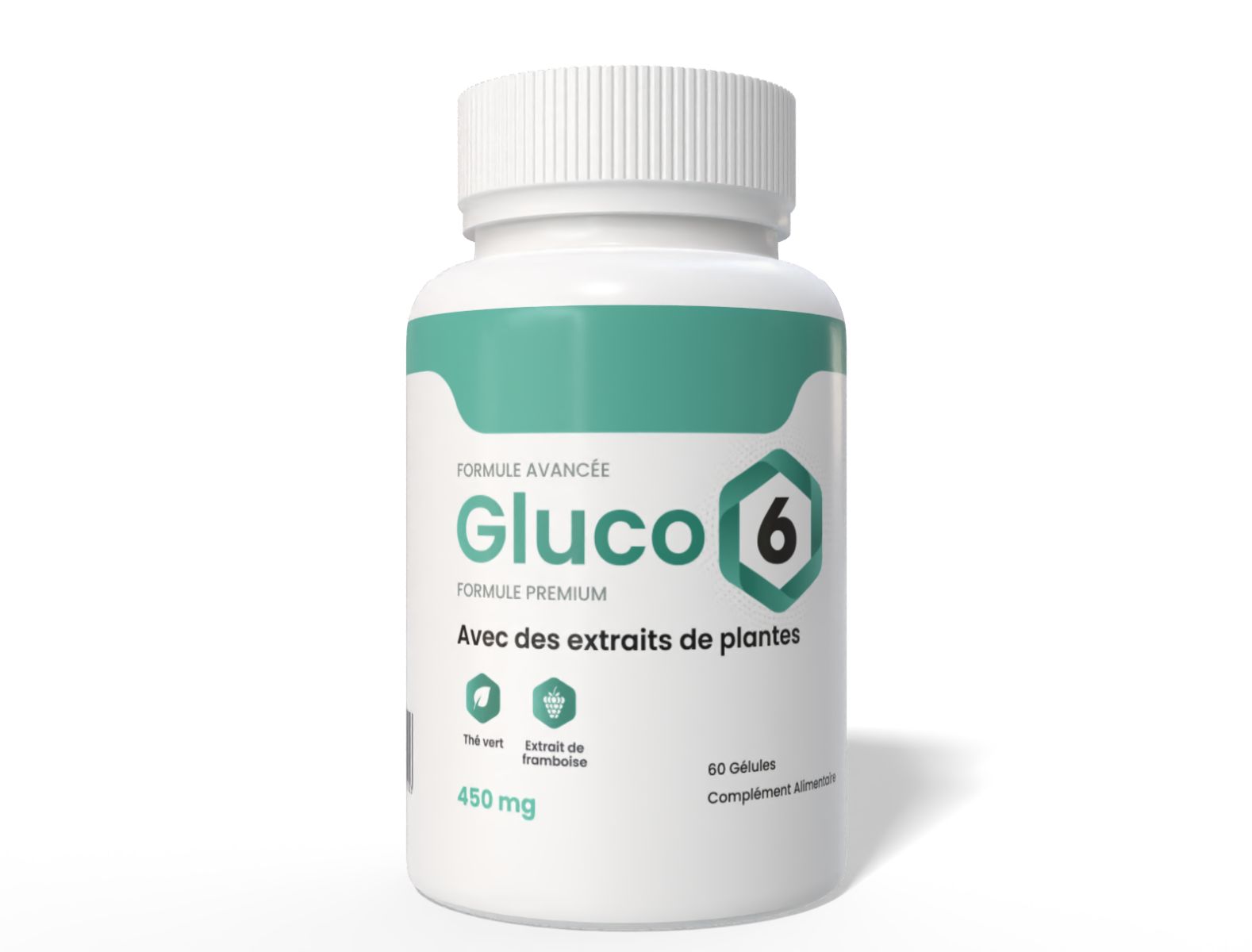
Order Gluco6 from the official website
Every package is covered by the 180-day money-back guarantee. Buying direct is the only way to make sure that refund policy applies to your order.
Backed by a 180-day money-back guarantee · Secure checkout via ClickBank